Grey Water Damage in Yorktown: Category 2 Cleanup Steps
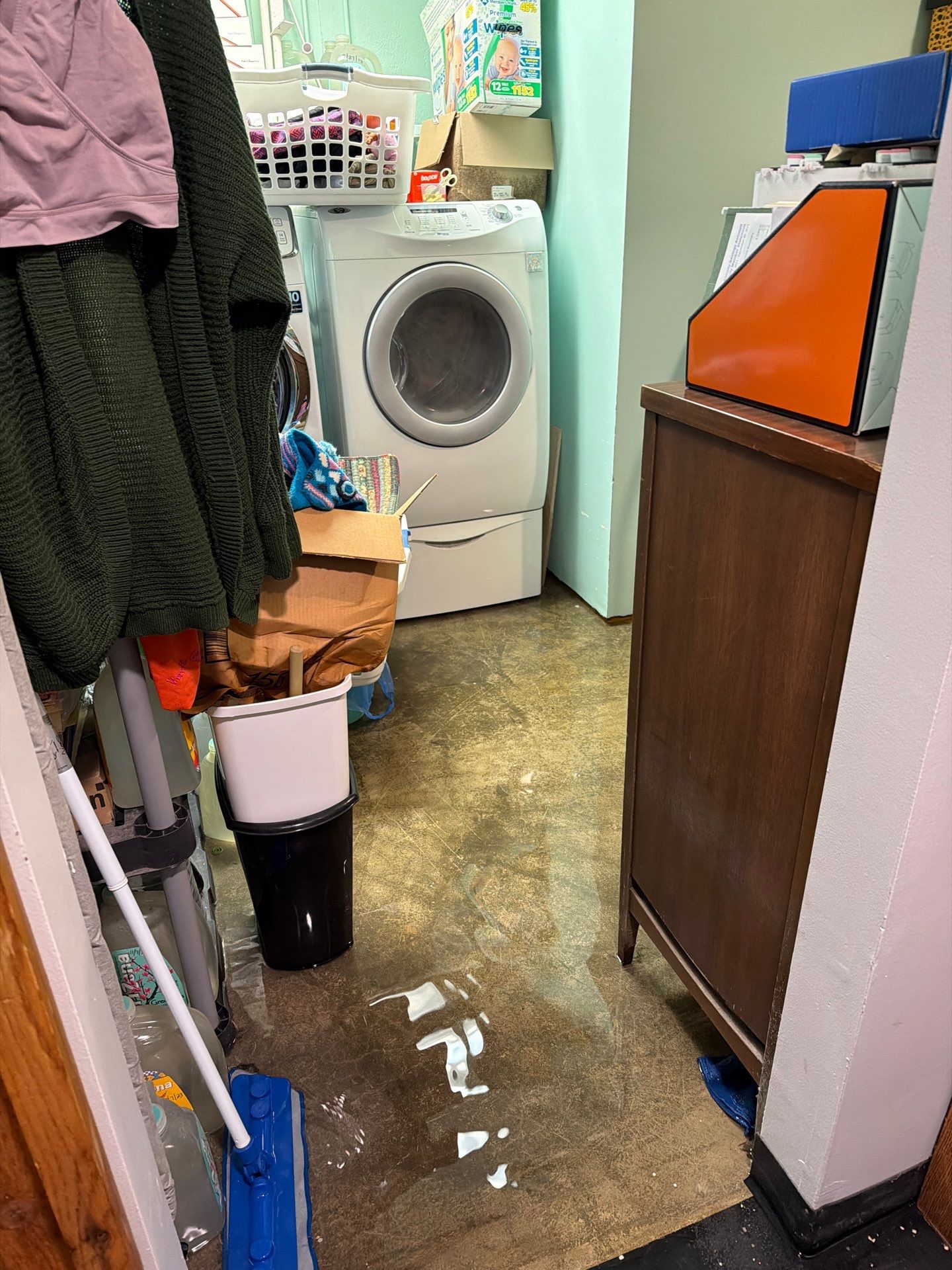
Grey water is the middle child of water damage. It is dirtier than a clean supply line leak but not as toxic as raw sewage, and that middle ground is exactly what makes it dangerous. Homeowners in Yorktown see it most often from dishwasher discharge, washing machine overflows, broken aquariums, sump pump failures, and toilet bowl spills that contain urine but no solids. Left alone for 48 hours, Category 2 water turns into Category 3, and your repair bill can triple.
At Yorktown Water Restoration we get calls about grey water almost every week across Yorktown. People assume the puddle is harmless because it looks like tap water. It is not. Category 2 contains bacteria, detergents, food particles, microbial growth, and chemical residue that can sicken pets, children, and anyone with respiratory issues. The IICRC S500 standard is clear: porous materials touched by grey water often need replacement, not just drying.
This guide breaks down what grey water actually is, the exact steps we follow on a Yorktown cleanup, what it costs, and the deadlines you cannot miss. If we cannot help, we will tell you directly. Aaron Christy founded Yorktown Water Restoration in 2018 with that promise, and the BBB A+ rating and IICRC certification are how we back it up.
What exactly is grey water and how is it different from clean or black water?
Grey water is Category 2 on the IICRC scale, which means it contains significant contamination and can cause discomfort or illness if ingested or contacted with skin. Common sources in Yorktown homes include washing machine discharge, dishwasher overflow, aquarium leaks, water bed ruptures, sink drain backups that have not touched the sewer line, and toilet overflows that contain only urine and water with no solids. Clean water (Category 1) comes from a broken supply line or a faucet left running. Black water (Category 3) involves sewage, ground flooding, or any source containing pathogens, chemicals, or biohazards. The category matters because it dictates which materials can be dried and saved versus which must be removed and disposed of. It also affects which protective equipment our technicians wear, how the affected area is contained during work, and what documentation insurance carriers expect to see in the final file.
What happens if I wait too long?
Waiting turns a manageable Category 2 loss into a Category 3 remediation with mold growth, structural damage, and a bill that is often two to three times higher. Drywall that could have been dried needs replacement. Hardwood that could have been saved cups and crowns beyond repair. Mold colonies establish within 48 to 72 hours in the right conditions. Insurance carriers also scrutinize delayed claims more closely, and an adjuster who sees secondary damage from waiting may reduce coverage on the grounds that the homeowner failed to mitigate. The most expensive water damage job is always the one someone tried to ignore.
What does the Category 2 cleanup process actually look like?
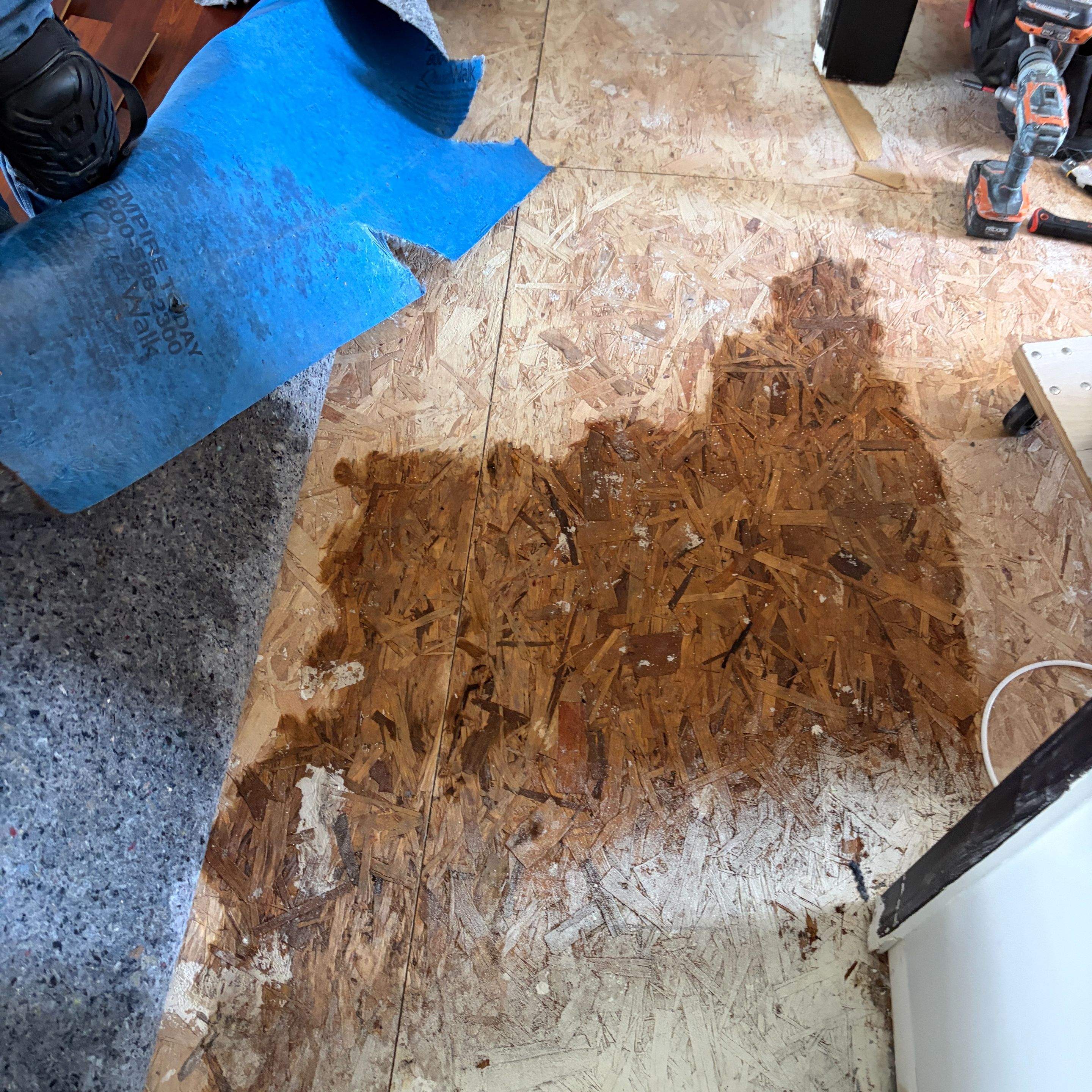
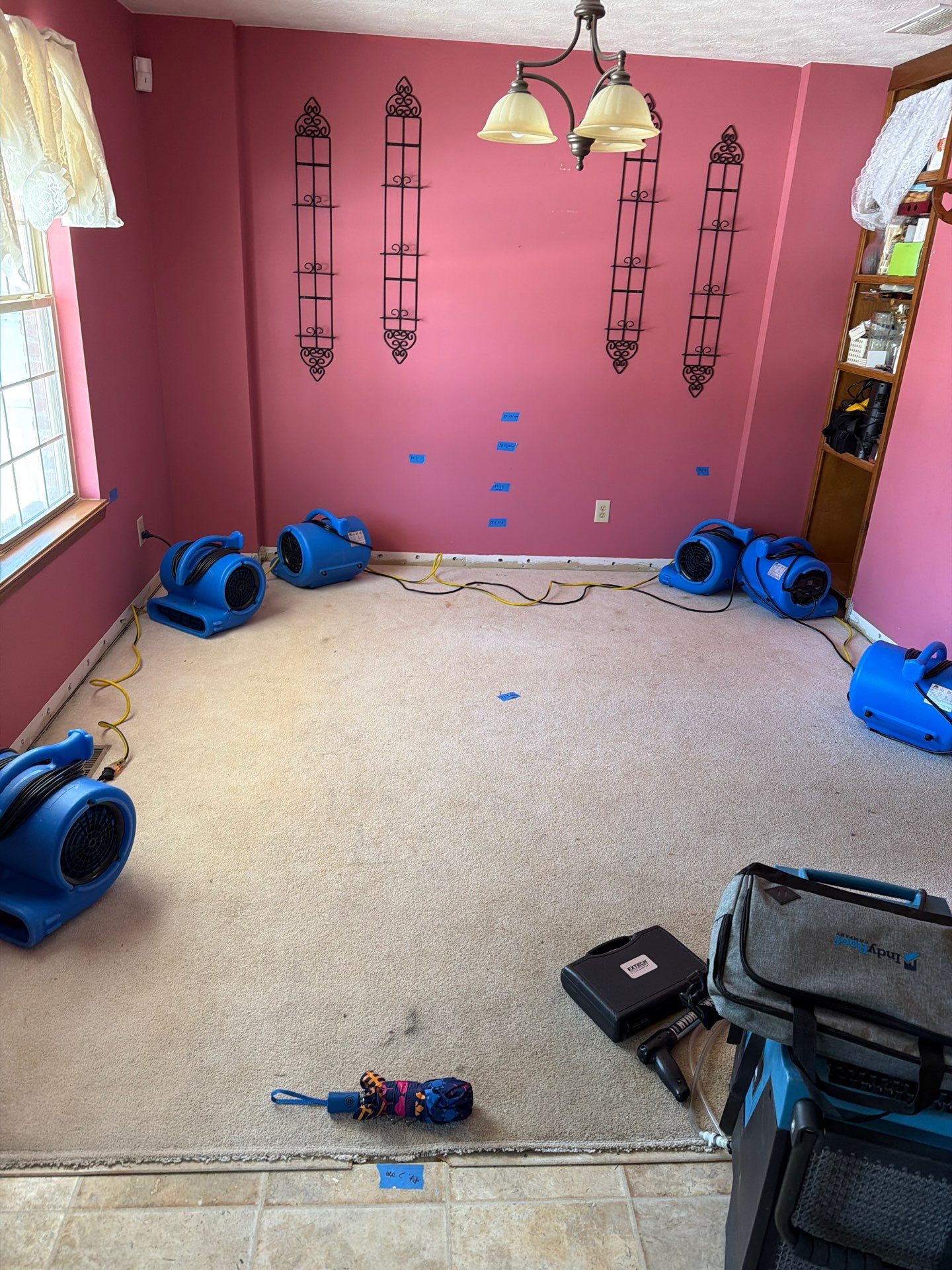
When our crew arrives at your Yorktown property, we start with a containment and safety assessment. We identify the source and stop the flow if it is still active. Next comes water extraction using truck mounted or portable equipment, depending on access. We remove and dispose of contaminated porous materials like carpet pad, wet insulation, and unsalvageable drywall (typically the bottom 12 to 24 inches). Hard surfaces get cleaned with an EPA-registered antimicrobial. Then we set air movers and commercial dehumidifiers, usually one air mover per 150 square feet of affected area plus a dehumidifier sized to the moisture load. Drying takes three to five days on average, with daily moisture readings to verify progress. Our full process is detailed on our water damage restoration page.
Will my homeowners insurance cover this?
Most standard policies cover sudden and accidental discharge from appliances and plumbing, which is exactly what Category 2 losses usually involve. What is typically not covered: long term seepage, lack of maintenance, and groundwater intrusion (that requires a separate flood policy). When you file, document everything with photos before any cleanup begins, save receipts, and ask for your claim number before mitigation starts. We handle Xactimate estimates and direct communication with adjusters across Yorktown, which speeds approval and reduces your out of pocket surprises. If the adjuster requests moisture logs, drying chamber diagrams, or psychrometric readings, we provide that documentation as part of the standard file.
Grey Water Will Not Wait. Neither Should You.
Category 2 water is a 48 hour problem. After that, it becomes a Category 3 problem with a much bigger bill and real health risk. If you have a grey water loss anywhere in Yorktown, call Yorktown Water Restoration. We are IICRC certified, BBB A+ rated, and we have been the team Central Indiana homeowners trust since 2018. We will give you a straight answer on the phone, an honest scope on site, and documentation your insurance carrier will accept. If we cannot help, we will tell you directly and point you to someone who can.
How fast can Yorktown Water Restoration respond in Yorktown?
We run 24 7 emergency dispatch across Central Indiana. Typical arrival in the Yorktown service area is within 2 hours from your call, faster during off peak hours. Equipment is on the truck, so extraction starts the moment we walk in. we use our licensed crew emergency response, which means the technician at your door is a Yorktown Water Restoration employee trained to IICRC standards. When you call, have the source location ready, an estimate of how long the water has been sitting, and access information for gates or pets so the crew can move directly to work.
What materials can be saved and which ones have to go?
This is one of the most common questions homeowners ask once the extraction is finished. Hard, non porous surfaces like tile, sealed concrete, metal, glass, and finished hardwood can almost always be cleaned, disinfected, and dried in place. Semi porous items like solid wood furniture, cabinetry boxes, and engineered hardwood are case by case, depending on how long they sat wet and whether the finish protected the substrate. Porous materials that absorbed Category 2 water typically cannot be salvaged. That includes carpet pad, fiberglass and cellulose insulation, particleboard, MDF baseboards, and upholstered furniture that took direct contact. Carpet itself can sometimes be saved if the loss is caught quickly, the backing is intact, and the pad is replaced, but in most Yorktown jobs we recommend replacement once contamination is confirmed.
How much does grey water cleanup cost in Yorktown?
For a typical Category 2 loss in a Yorktown home, professional cleanup runs between $1,500 and $4,500. A small contained event in a laundry room might land around $1,200 to $2,000. A loss that spread across a finished basement with carpet, pad, and drywall damage can run $4,000 to $8,000 or more. Cost drivers include the square footage affected, how long the water sat before extraction, what materials need removal, and how many drying days are required. Most homeowners insurance policies cover sudden and accidental Category 2 events, and we bill carriers directly. If your situation involves a basement, our flooded basement cleanup pricing breakdown gives more detail.
Can I clean up Category 2 water myself?
For very small spills under 10 square feet on a hard, non porous surface, a careful homeowner with gloves, a wet vac, and disinfectant can manage it. The problem is that grey water rarely stays small. It wicks into drywall, soaks subfloors, migrates under cabinets, and saturates carpet pad. By the time you can see the edge of the wet area, the actual moisture footprint is usually 30 to 50 percent larger. Without a moisture meter and a thermal camera, you cannot confirm dryness, and trapped moisture is what causes mold growth two weeks later. Household disinfectants also do not match the EPA-registered antimicrobials professionals apply, and a shop vac does not pull water from the underlayment the way truck mounted extraction does. For anything beyond a minor spill, professional extraction is the safer call.
How quickly does grey water turn into black water?
Under typical Yorktown indoor conditions, grey water begins shifting toward Category 3 in roughly 24 to 48 hours. Bacteria multiply rapidly in warm, damp environments, and once temperatures rise above 70 degrees inside your home, that window can shorten. If your washing machine flooded yesterday and you are reading this today, treat it as urgent. If it has been three days and the area is still wet, assume it is now Category 3 and call a professional rather than trying to handle it yourself. Humidity plays a role too. A Yorktown basement in July with 65 percent relative humidity will degrade water quality faster than the same space in February. You can read more in our guide on washing machine flood water damage repair if that is your source.
Frequently Asked Questions
How quickly does grey water become black water in a Yorktown home?
Under IICRC S500, grey water can degrade to Category 3 in 48 to 72 hours. In humid Yorktown basements or warm rooms, it can happen faster. That is why Yorktown Water Restoration treats every grey water call as time sensitive.
Can I clean up grey water myself or do I need to call Yorktown Water Restoration?
Small spills under about 10 square feet on non-porous surfaces can be handled with PPE, disinfectant, and good ventilation. Anything involving carpet, drywall, or hidden cavities should be assessed by a certified pro. We will tell you honestly if you do not need us.
Does homeowners insurance cover Category 2 water damage in Yorktown?
Most Yorktown policies cover sudden and accidental grey water losses like appliance failures or supply line breaks. Gradual leaks and unmaintained equipment are often excluded. Yorktown Water Restoration provides full documentation to support your claim.
How long does grey water cleanup and drying take?
Most residential Category 2 jobs in Yorktown take three to five days of active drying after extraction. Larger losses or homes with heavy materials like plaster can run seven days or more. We monitor moisture daily and only pull equipment when readings confirm the structure is dry.
What does grey water cleanup cost in Yorktown?
Typical Category 2 jobs run between $2,500 and $7,500 depending on square footage, materials affected, and drying time. Yorktown Water Restoration provides a written scope before work starts so you know the range up front, and we bill insurance directly when possible.
Have a restoration question?
Our IICRC certified Yorktown crew is ready to help. Free assessments, written scopes, no pressure.